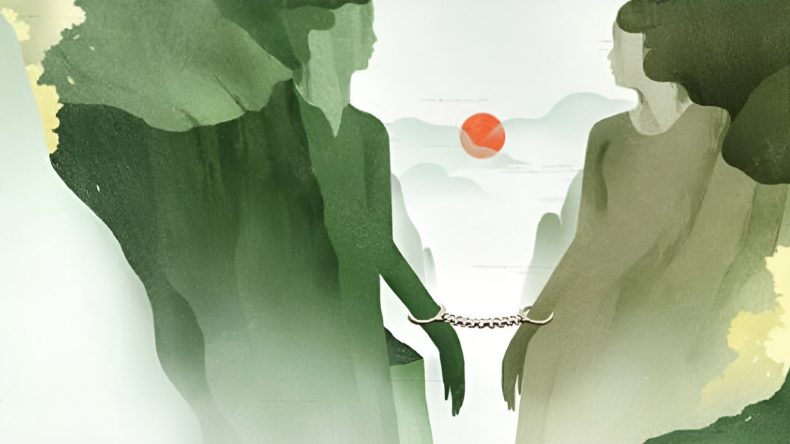
The Origins of Dependency Imbalance
When we enter this world, we are entirely reliant on our parents or caregivers for our survival. This kind of dependence is entirely natural.
Nevertheless, in our state of complete dependence, we are also susceptible to influence and prone to adopting behavioural patterns and beliefs from our immediate environment. In this vulnerability, we may develop imbalanced dependency styles if our care was not provided in a balanced and supportive manner.
Dependency vs. Independence
When we discuss imbalanced dependency styles, we can observe two extremes: dependence and independence. We are referring to extreme states in this context.
Dependence is characterised by beliefs that suggest we lack the ability and power to take care of ourselves. Independence, on the other hand, is characterised by a strong desire to be entirely self-reliant.
Does Full Independence Exist?
Leaning towards extreme independence often originates from traumatic experiences where our needs were not considered while we were being cared for. Consequently, we may find it challenging to trust anyone but ourselves to be our caregivers. Despite the illusion of complete independence, the reality is that we still rely on nature for air, light, and resources. We also depend on other people to provide us with essential services such as food production, clothing, housing, electricity, and water. We can further expand our list of needs for emotional connection, mental stimulation and physical care that further address the point of independence illusion.
What Is a Balanced In/Dependence?
If we seek a state of equilibrium, we will discover that a healthy interdependent state is what we should aspire to. This can also be referred to as a state of mutualistic symbiosis.
A state of a mutualistic symbiosis is an association between beings in which each being benefits.
How to Learn and Practice Interdependence?
The imbalance between dependence and independence has its roots in the traumas experienced during childhood or our genetic heritage.
To transition away from this imbalanced state, the Paradox-x Method provides processes that help you identify traumatic memories stored in your subconscious. It also offers processes that enable you to gain a profound understanding of healthy interdependence and incorporate it into your life.
- To schedule a session with the author of the Paradox-x Method, Katarina Vukovic, simply click here.
- To access Paradox-x video resources for guided introspection and learning, visit Video Content shop section.
- To learn how the Paradox-x Method helps with trauma, emotions, and fears, visit the About Paradox-x section.
- To see the schedule and register for the future events, please see Events.
- To discover the steps to become a Paradox-x practitioner, explore the Become a Practitioner section