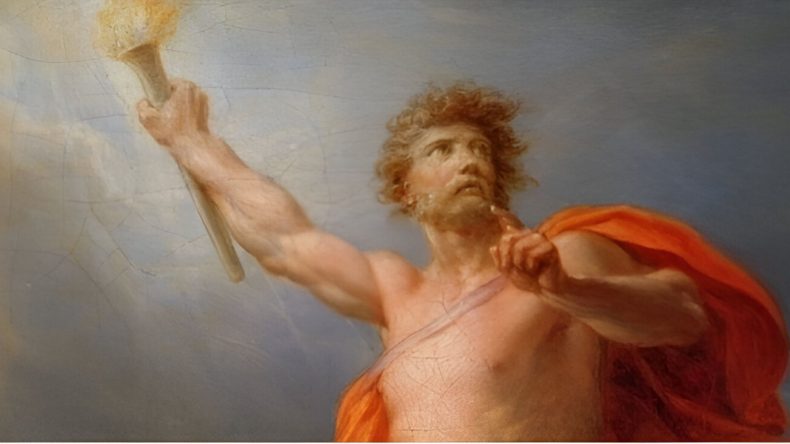
The Love of Prometheus
What do we learn from Prometheus’s love for humankind? Prometheus created humanity, and he daringly stole the divine fire from the gods to make life easier for mortals. This act of compassion incited the wrath of Zeus, who condemned Prometheus to an agonizing fate. Chained to a desolate rock, he suffered daily as an eagle tore into his liver. Each night, his liver would miraculously mend, only to be subjected to the same torment the following day. This was his eternal punishment for his unwavering love for humanity.
What Is the Cost of Love?
Prometheus’s tale exemplifies the profound cost of love for him. This story prompts us to reflect on our own perceptions of the sacrifices and suffering that love may entail.
When we love, what do we believe we must endure or surrender? Are we expected to be obedient, sacrifice our dreams for the sake of our loved ones, or bear the pain and burdens of those we hold dear?
In my extensive work with individuals on matters of love, I have observed that these beliefs often run deep within their beings. Some people even recoil from love, withdrawing because they perceive the “cost” of love as too burdensome.
Transactional Love
Few among us have been raised in families where love was not transactional, where receiving love did not come at the price of sacrificing something deeply significant. Perhaps we were required to relinquish our dreams, desires, or authenticity to conform to the demands of this transactional form of love.
When love is seen as a transaction, we develop the belief that we cannot be loved for who we truly are, but instead, we must conform to the obligations that accompany it to “earn” and “deserve” it.
In business, transactions are often explicit, whereas in matters of love, the strings attached are more subtle, with numerous unspoken and hidden expectations.
In such relationships, the more love we receive, the greater the expectations we must fulfil, which can become a heavy burden and, over time, lead us to reject and withdraw from love. In these transactional dynamics, we tend to give and expect without prior consent. This pertains even to the expecting gratitude, which was never agreed upon in advance.
The Love of Saviours
In certain cases, individuals who do not believe they can be loved for their true selves may take on the role of saviours.
Saviours, by finding others in need and offering help, seek love in return for their rescues. This pattern can become dysfunctional, with some even unconsciously trying to worsen the situations of others in order to have the opportunity to save them.
Learning About Love
We may harbour detrimental beliefs about love that hinder us from fully opening ourselves to it.
To become more receptive to love, we must discern what in our understanding of love is genuine, and what are the attachments and additions that represent hidden transactional costs imposed by the sources from which we learned about love.
As we journey towards a deeper understanding of love, the methods offered in the Paradox-x Method can guide us in uncovering these detrimental beliefs about love and experiencing love that is free from constraints and attachments. This approach can help us reframe our perceptions of love, making it a source of genuine connection rather than a transactional burden.
- To schedule a session with the author of the Paradox-x Method, Katarina Vukovic, simply click here.
- To access Paradox-x video resources for guided introspection and learning, visit Video Content shop section.
- To learn how the Paradox-x Method helps with trauma, emotions, and fears, visit the About Paradox-x section.
- To see the schedule and register for the future events, please see Events.
- To discover the steps to become a Paradox-x practitioner, explore the Become a Practitioner section